As the Board Chair of Startup Kano, Aisha Tofa noted at the outset of the programme, “Today is not just about pitches. It is about possibility. It is about capital meeting opportunity… and shifting the narrative of Northern Nigeria, from untapped potential to activated opportunity.” She further emphasised the core intent behind the initiative: “CIED was designed… to move startups from potential to readiness and from readiness to investment.” This framing captures the essence of the Climate Innovation Ecosystem Development (CIED) Project, not simply as a programme, but as a system designed to connect ideas, structure, and capital in a way that enables real, scalable impact.
Northern Nigeria has taken a deliberate step into the climate innovation space through the Climate Innovation Ecosystem Development (CIED) Project in Kano. Supported by PACE Nigeria and implemented by Startup Kano under the UK in Nigeria partnership, the CIED programme was designed as a structured ecosystem-building initiative that connected ideas to investment and impact. It did not function as a standalone training programme, but as a coordinated effort to build a climate innovation pipeline, one that supports startups from ideation through to investment readiness and scalable impact.
At the core of the initiative was a recognition of a persistent challenge: many climate solutions fail not due to lack of innovation, but because the ecosystem around them is fragmented. While policies, funding opportunities, and support structures exist, they are often disconnected, making it difficult for startups to navigate the pathway from idea to implementation. The CIED programme was established to address this gap by intentionally building those missing linkages.
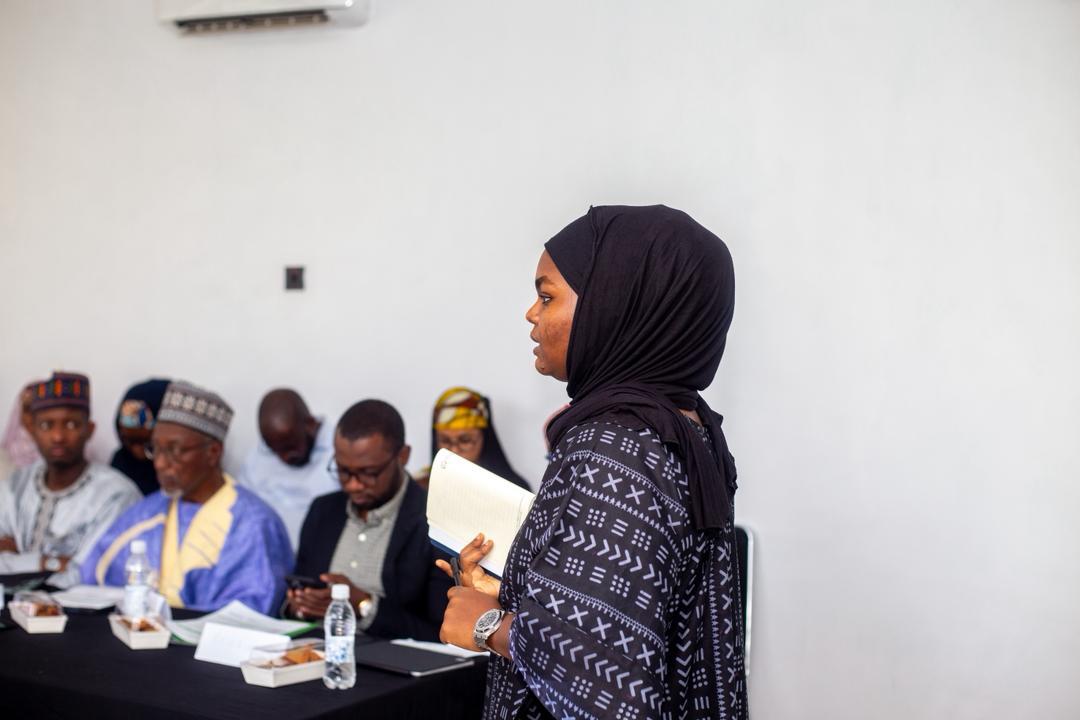
The journey began with a multi-stakeholder roundtable and co-creation process that brought together government institutions, development partners, academia, innovators, and financial actors. Together, they worked to shape a practical toolkit that translates the Kano State climate change policy into actionable pathways for entrepreneurs. This process laid the foundation for stronger collaboration across the ecosystem and reinforced a shared commitment to making climate innovation work in practice, particularly for youth and women-led startups in Northern Nigeria.
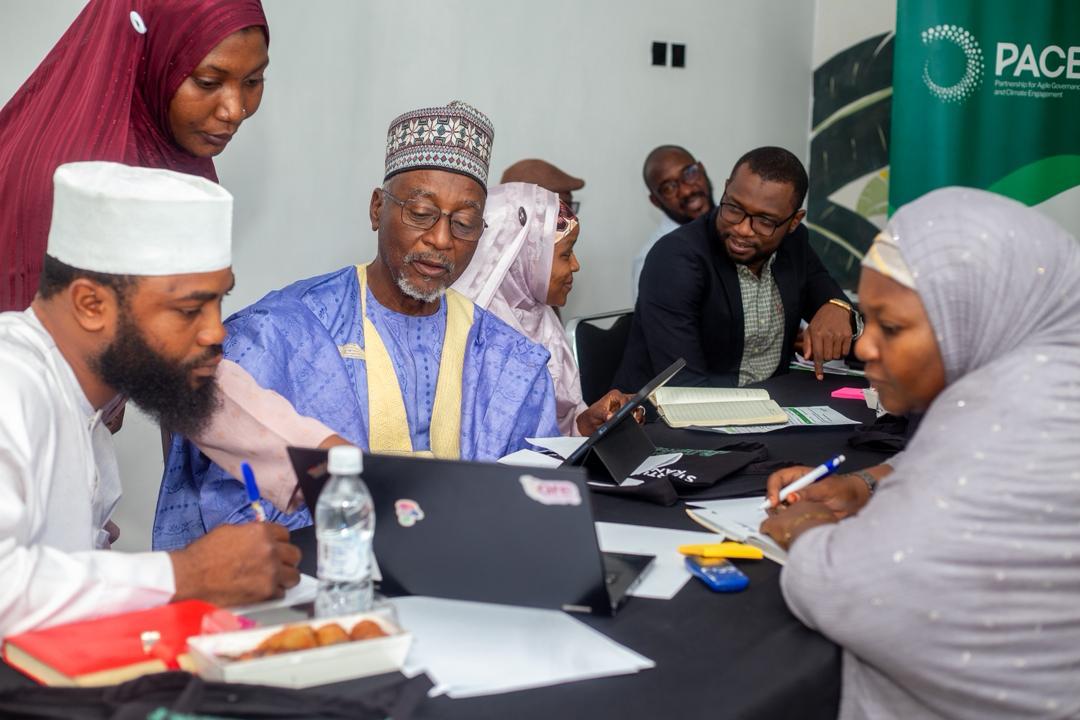
At the centre of the programme was the 2026 CIED Pilot Cohort. Selected from a highly competitive pool of over 120 applicants in Kano, 13 climate innovators represented a diverse set of solutions focused on climate adaptation, clean energy, and waste management. Throughout the programme, they underwent an intensive journey of climate finance readiness, venture building, and investor engagement, equipping them with the skills and tools needed to access climate finance and scale their solutions within their communities.
The Climate Innovation Ecosystem Development Bootcamp served as the programme's core capacity-building engine. Participants were guided through a structured progression that began with deep problem analysis using tools such as the Fishbone (Cause-and-Effect) Model and the 5 Whys technique. This ensured that solutions were grounded in real systemic issues rather than surface-level assumptions. They then moved into structured business model development using the Triple Layer Business Model Canvas, integrating economic viability, environmental responsibility, and social impact into a single coherent framework. This helped participants design startups that were not only financially sustainable but also environmentally responsible and socially relevant. As the programme progressed, participants engaged with Monitoring & Evaluation systems, ESG frameworks, and Social and Behavioural Change (SBC) concepts. These elements strengthened their ability to measure impact, align with investor expectations, and understand how behavioural dynamics influence climate outcomes.
They also explored climate risk and sustainability exposure, gaining insight into how physical and transitional climate risks affect business survival, regulatory compliance, and long-term investment readiness. A strong emphasis was also placed on climate finance, where participants learned how funding flows within the climate ecosystem, how investment decisions are made, and how startups can position themselves to access available opportunities within Nigeria’s evolving climate finance landscape. Across all these layers, the programme contributed to the formation of a more structured ecosystem, one that connects policy to practice, innovation to finance, and ideas to implementation.
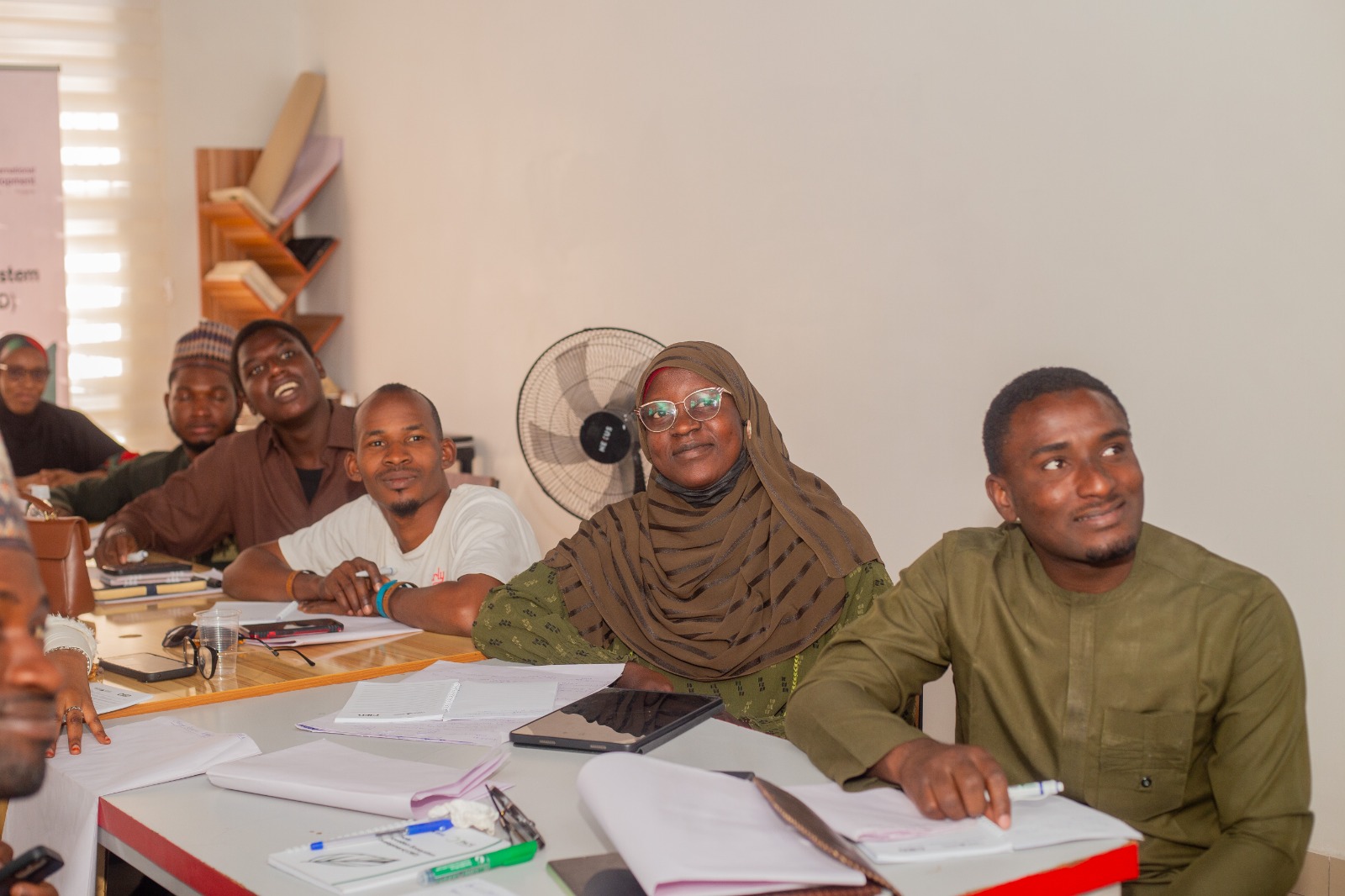
Insights gathered from participating startups further reinforce the programme’s impact beyond the structured sessions and Demo Day outcomes. Reflecting on their experience through post-programme feedback, Her Ecospace, which emerged as the overall winner, described the programme as “an intensive, eye-opening journey that bridged the gap between traditional business modelling and climate-conscious entrepreneurship.” The team noted that it “provided a structured environment to refine our mission of turning waste into value,” highlighting the clarity and direction gained throughout the process.
They further emphasised the transformative shift in their approach, stating that “the transition from a traditional Business Model Canvas (BMC) to a Triple Layered Business Model Canvas (TLBMC) was transformative,” alongside gaining “deep insights into ESG (Environmental, Social, and Governance) standards and Empathy Mapping.” This, they explained, enabled them to understand better both their community and the environmental implications of their work. Reflecting on the broader impact, they noted that “the programme significantly sharpened our focus at Her EcoSpace,” helping them move beyond simply “making products” to understanding their role within “a broader climate-ready ecosystem,” with a clearer roadmap for scalability and resilience. They also highlighted the climate readiness sessions as particularly impactful, noting that facilitators effectively translated complex global climate goals into practical, locally relevant actions, while suggesting that more hands-on sessions on navigating Nigeria’s green finance landscape could further strengthen future cohorts.
Similarly, Beta Agric (Bera Tomato), which secured second place at the Demo Day, described the programme as “a very integral and rigorous training program that challenges thought processes and facilitates structured and strategic planning for overall business growth and climate alignment.” A major takeaway for the team was “our TLBMC design,” which has become central to their operations. They further explained that the programme helped bring their climate-smart business model to life and guided them in “creating, enacting and implementing our ESG policy, ensuring that it guides our operations.
”Reflecting on their experience, they noted a significant shift in perspective: “We knew that climate problems exist, but did not know how to incorporate climate-friendly processes into our business. We did not even know that our business could access climate finances and scale its impact in environmental stewardship.” They strongly recommended the programme, emphasising that many businesses face similar gaps and that initiatives like CIED are critical to unlocking both awareness and action within the ecosystem.
For CleanWave, the journey was described as “a highly transformative and well-structured” experience that “challenged us to think deeper about building a climate-aligned and scalable business.” The team highlighted that it provided “both strategic clarity and practical tools needed to position CleanWave for growth and impact,” particularly strengthening their understanding of climate finance, business structuring, and alignment with global sustainability frameworks.
They noted that the programme “helped refine our business model, strengthen our positioning as a circular economy startup, and improve our readiness for funding and partnerships.” While they acknowledged initial challenges in translating their idea into an investment-ready model, they emphasised that “this process ultimately strengthened our strategy and clarity.” Key highlights included the practical sessions on climate finance readiness and pitch development, which directly improved their ability to build and present their business. Summing up their experience, they described CIED as “a transformative programme that equips climate startups with the knowledge and tools to build scalable, impact-driven businesses,” and strongly recommended it to other founders.
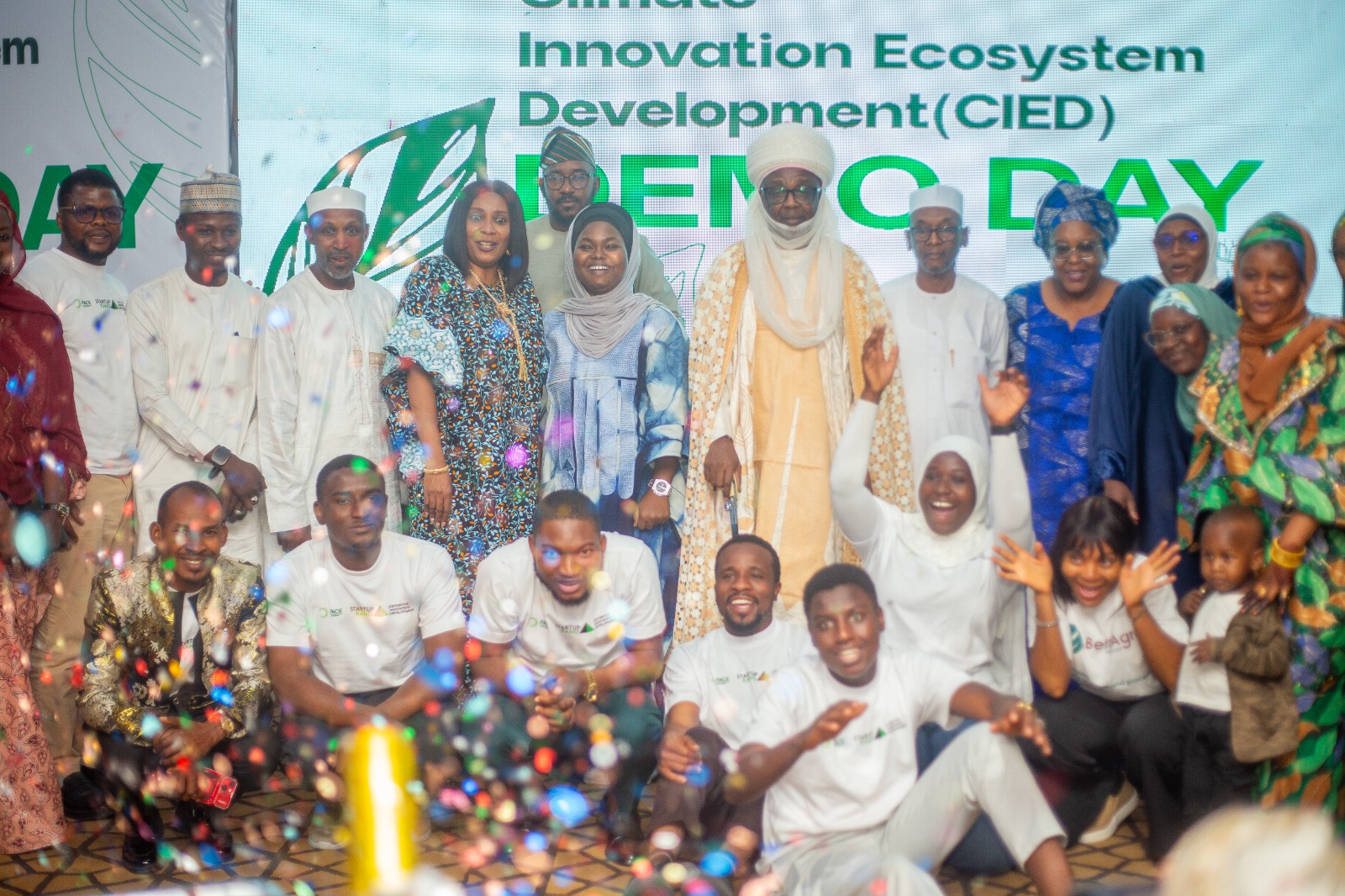
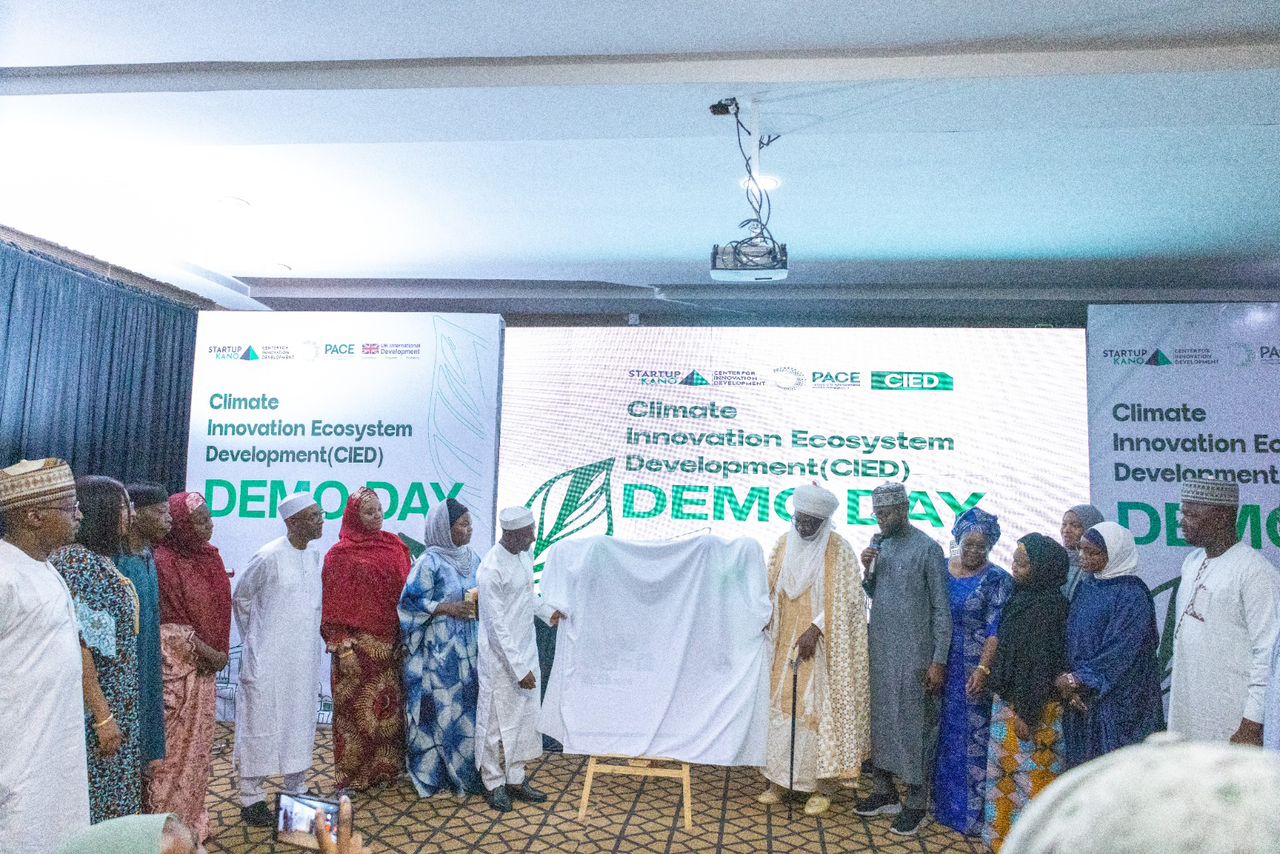
The journey ultimately culminated in a high-impact Demo Pitch Day, where 13 startups showcased their climate-focused innovations to a broad and influential audience drawn from government, development partners, and the private investment community, including institutions such as Jaiz Bank, Green Legacy, Sabou Capital, and others. More than a presentation platform, the event served as a critical convergence point, bringing together policy, capital, and innovation in a way that reflected a growing alignment across sectors to advance climate action and green enterprise development in Kano State.
The significance of the moment was underscored by the presence of key dignitaries and ecosystem leaders, including Magajin Garin Kano, Alhaji Muhammad Nasiru Wada, who also serves as Chairman of Green Legacy; the Director General of KASITDA, Dr Bashir Abdu Muzakkari; the Director General of KANINVEST, Muhammad Nazir Halliru; the Honourable Commissioner for the Kano State Ministry of Environment and Climate Change, Dr Dahiru Muhammad Hashim; and the Director of Climate Change, Dr Umar Anka, alongside other senior government officials and private sector stakeholders. Their presence reinforced the strategic importance of climate innovation within both state and national development priorities, signalling a shift toward more coordinated and action-oriented ecosystem support.
The presence of senior government officials, ecosystem leaders, and private sector stakeholders underscored the strategic importance of the moment. It highlighted a clear shift in direction, one where climate innovation is no longer treated as a peripheral concern but as a central component of economic development and resilience planning. More importantly, it signalled a transition from fragmented support to coordinated action, where institutions are not only endorsing ideas but actively creating pathways for startups to scale, access funding, and integrate into broader economic systems.
A defining highlight of the Demo Day was the strong and visible demonstration of government commitment. The Kano State Ministry of Environment and Climate Change announced a ₦2 million cash commitment to support participating startups, reinforcing its dedication to fostering innovation and unlocking climate finance opportunities within the state. This intervention went beyond symbolic support, representing a tangible step toward building confidence in the local climate innovation ecosystem and encouraging further investment from both public and private actors.
The event also marked the official unveiling of the Climate Innovation Startup Toolkit, presented by Dr Umar Anka. Designed as a practical and accessible resource, the toolkit provides structured guidance for entrepreneurs seeking to build climate-smart and investment-ready ventures. By addressing common gaps in knowledge, structure, and strategy, it serves as a long-term asset for innovators across Kano and beyond, strengthening the overall quality and scalability of early-stage climate solutions within the ecosystem.
Following a series of compelling pitches spanning climate adaptation, clean energy, waste management, circular economy solutions, and sustainable agriculture, startups were rigorously evaluated based on innovation, scalability, market readiness, and environmental impact. The presentations reflected not only the diversity of solutions emerging from the programme, but also the significant growth participants had achieved throughout the CIED journey. At the close of the session, Her Ecospace emerged as the overall winner, with Beta Agric (Bera Tomato) securing second place. Both startups were awarded £1,000 each in recognition of their performance, the strength of their solutions, and their potential to scale within and beyond Nigeria.
Beyond the awards, the Demo Day represented a clear transition point, from structured learning to real ecosystem engagement. It demonstrated how intentional programme design, targeted mentorship, and sustained stakeholder collaboration can translate into tangible outcomes, where ideas evolve into viable ventures positioned for investment and growth.
As the Board Chair of Startup Kano, Aisha Tofa, noted during the programme, “this is not just about supporting startups, it is about building a system that makes it possible for climate solutions to move from ideas to investment-ready, scalable enterprises.” Her remarks captured the essence of the CIED initiative, shifting from isolated efforts to a more connected, functional ecosystem capable of sustaining long-term climate innovation.
More importantly, the event reinforced a central message: when government institutions, investors, development partners, and innovators align around a shared vision, climate solutions can move beyond early-stage experimentation to become scalable enterprises capable of delivering real economic, environmental, and social impact.
With the conclusion of the Demo Day, the CIED programme formally comes to an end. However, what it leaves behind extends far beyond the initiative's immediate outputs. It has contributed to the emergence of a more connected and functional ecosystem, one that is steadily building the structures, relationships, and pathways required for climate innovation to thrive in Northern Nigeria.