
Article

From Fragmentation to Flow: How CIED is Powering Climate Innovation in Kano

As the Board Chair of Startup Kano, Aisha Tofa noted at the outset of the programme, “Today is not just about pitches. It is about possibility. It is about capital meeting opportunity… and shifting the narrative of Northern Nigeria, from untapped potential to activated opportunity.” She further emphasised the core intent behind the initiative: “CIED was designed… to move startups from potential to readiness and from readiness to investment.” This framing captures the essence of the Climate Innovation Ecosystem Development (CIED) Project, not simply as a programme, but as a system designed to connect ideas, structure, and capital in a way that enables real, scalable impact. Ecosystem Framing and Programme Launch​ Northern Nigeria has taken a deliberate step into the climate innovation space through the Climate Innovation Ecosystem Development (CIED) Project in Kano. Supported by PACE Nigeria and implemented by Startup Kano under the UK in Nigeria partnership, the CIED programme was designed as a structured ecosystem-building initiative that connected ideas to investment and impact. It did not function as a standalone training programme, but as a coordinated effort to build a climate innovation pipeline, one that supports startups from ideation through to investment readiness and scalable impact. At the core of the initiative was a recognition of a persistent challenge: many climate solutions fail not due to lack of innovation, but because the ecosystem around them is fragmented. While policies, funding opportunities, and support structures exist, they are often disconnected, making it difficult for startups to navigate the pathway from idea to implementation. The CIED programme was established to address this gap by intentionally building those missing linkages. Multi-Stakeholder Co-Creation and Policy Alignment​ The journey began with a multi-stakeholder roundtable and co-creation process that brought together government institutions, development partners, academia, innovators, and financial actors. Together, they worked to shape a practical toolkit that translates the Kano State climate change policy into actionable pathways for entrepreneurs. This process laid the foundation for stronger collaboration across the ecosystem and reinforced a shared commitment to making climate innovation work in practice, particularly for youth and women-led startups in Northern Nigeria. Pilot Cohort Selection and Venture Development Journey ​ At the centre of the programme was the 2026 CIED Pilot Cohort. Selected from a highly competitive pool of over 120 applicants in Kano, 13 climate innovators represented a diverse set of solutions focused on climate adaptation, clean energy, and waste management. Throughout the programme, they underwent an intensive journey of climate finance readiness, venture building, and investor engagement, equipping them with the skills and tools needed to access climate finance and scale their solutions within their communities. Bootcamp: Capacity Building, Finance Readiness and Systems Thinking The Climate Innovation Ecosystem Development Bootcamp served as the programme’s core capacity-building engine. Participants were guided through a structured progression that began with deep problem analysis using tools such as the Fishbone (Cause-and-Effect) Model and the 5 Whys technique. This ensured that solutions were grounded in real systemic issues rather than surface-level assumptions. They then moved into structured business model development using the Triple Layer Business Model Canvas, integrating economic viability, environmental responsibility, and social impact into a single coherent framework. This helped participants design startups that were not only financially sustainable but also environmentally responsible and socially relevant. As the programme progressed, participants engaged with Monitoring & Evaluation systems, ESG frameworks, and Social and Behavioural Change (SBC) concepts. These elements strengthened their ability to measure impact, align with investor expectations, and understand how behavioural dynamics influence climate outcomes. They also explored climate risk and sustainability exposure, gaining insight into how physical and transitional climate risks affect business survival, regulatory compliance, and long-term investment readiness. A strong emphasis was also placed on climate finance, where participants learned how funding flows within the climate ecosystem, how investment decisions are made, and how startups can position themselves to access available opportunities within Nigeria’s evolving climate finance landscape. Across all these layers, the programme contributed to the formation of a more structured ecosystem, one that connects policy to practice, innovation to finance, and ideas to implementation. Startup Reflections and Learning Outcomes Insights gathered from participating startups further reinforce the programme’s impact beyond the structured sessions and Demo Day outcomes. Reflecting on their experience through post-programme feedback, Her Ecospace, which emerged as the overall winner, described the programme as “an intensive, eye-opening journey that bridged the gap between traditional business modelling and climate-conscious entrepreneurship.” The team noted that it “provided a structured environment to refine our mission of turning waste into value,” highlighting the clarity and direction gained throughout the process. They further emphasised the transformative shift in their approach, stating that “the transition from a traditional Business Model Canvas (BMC) to a Triple Layered Business Model Canvas (TLBMC) was transformative,” alongside gaining “deep insights into ESG (Environmental, Social, and Governance) standards and Empathy Mapping.” This, they explained, enabled them to understand better both their community and the environmental implications of their work. Reflecting on the broader impact, they noted that “the programme significantly sharpened our focus at Her EcoSpace,” helping them move beyond simply “making products” to understanding their role within “a broader climate-ready ecosystem,” with a clearer roadmap for scalability and resilience. They also highlighted the climate readiness sessions as particularly impactful, noting that facilitators effectively translated complex global climate goals into practical, locally relevant actions, while suggesting that more hands-on sessions on navigating Nigeria’s green finance landscape could further strengthen future cohorts. Similarly, Beta Agric (Bera Tomato), which secured second place at the Demo Day, described the programme as “a very integral and rigorous training program that challenges thought processes and facilitates structured and strategic planning for overall business growth and climate alignment.” A major takeaway for the team was “our TLBMC design,” which has become central to their operations. They further explained that the programme helped bring their climate-smart business model to life and guided them in “creating, enacting and implementing our ESG policy, ensuring that it guides our operations. ”Reflecting on their experience, they noted

From Fragmentation to Flow: How CIED is Powering Climate Innovation in Kano Read More »
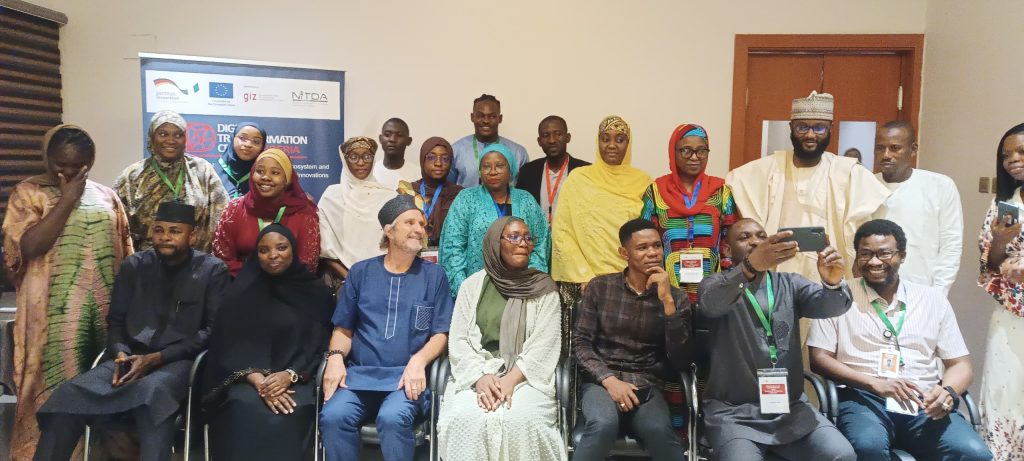
Empowering MSMEs: Startup Kano Participates in GIZ Digital Skills for Entrepreneurs Training of Trainers Workshop

The journey towards digital transformation for Micro, Small, and Medium Enterprises (MSMEs) in Nigeria took a significant leap forward recently. A select group of trainers and mentors were invited to participate in a specialized Training of Trainers and Mentors (ToTM) workshop, organized by the Deutsche Gesellschaft für Internationale Zusammenarbeit (GIZ). This intense three-day workshop, held from August 13th to 15th, was designed to equip participants with the skills and knowledge necessary to deliver the Digital Skills for Entrepreneurs (DSE) course, a key initiative aimed at enhancing digital literacy and entrepreneurship across the country. Among the participants were representatives from Startup Kano Workshop Objectives The workshop aimed to ensure that participants: Gained a comprehensive understanding of the Digital Skills for Entrepreneurs Course offered by GIZ’s Digital Transformation Center (DTC). Acquired knowledge of digital tools and solutions critical for enhancing digital literacy and skills among Micro, Small, and Medium Enterprises (MSMEs), particularly those owned by youth and women. Enhanced their training and mentoring capabilities, adopting methodologies tailored to the DSE course. Validated the curriculum against Nigerian industry standards and the latest digital trends, ensuring relevance and applicability to local MSMEs. Became familiar with various topics and subtopics within the digital transformation roadmap. To maximize the benefits of the workshop, participants adhered to key engagement principles, which included active participation, readiness for engagement, punctuality, and a commitment to late-hour work. Participants were also required to provide their digital devices, have relevant apps downloaded, and review materials before sessions. Additionally, there was an emphasis on the willingness to voluntarily support and guide the implementation process post-training. The Facilitation Team The workshop was facilitated by an esteemed team of experts including Peik Bruhns (GOPA Team Leader), Ismaeel Lawal, Nuhu Longkat, Dr. Ed Canela (MSME development and digital solutions experts), Dr. Samuel Jackson, Avess Abutu, Dr. Natasha Aduloju-Ajijola (DSE material developers), along with Gbeke Oshinowo, Grace Okewale (DTC Team), and Loveth Afekhai (GOPA Administrator). Their combined expertise ensured that participants were thoroughly equipped with the necessary knowledge and skills. The participation of our trainers and mentors in this workshop marks a significant step forward in our commitment to driving digital transformation among MSMEs in Nigeria. The knowledge and skills gained will be instrumental in the rollout of the DSE course, ensuring that we continue to empower youth and women entrepreneurs across the region. Startup Kano remains dedicated to fostering a culture of innovation and entrepreneurship, and we look forward to implementing the learnings from this workshop to further support the growth and development of MSMEs in Nigeria.

Empowering MSMEs: Startup Kano Participates in GIZ Digital Skills for Entrepreneurs Training of Trainers Workshop Read More »

The Benefits of Joining a Co-Working Space

Working from home has its perks—flexibility, comfort, and no commute. But as many remote workers have discovered, it also comes with challenges like distractions, isolation, and the struggle to maintain a work-life balance. What if you could enjoy all the benefits of working from home while overcoming its drawbacks? A co-working space offers the perfect solution, enhancing your remote work experience. Here’s how! 1. Enhanced Productivity Distraction-Free Environment: Co-working spaces are designed to minimize distractions, providing a focused atmosphere conducive to getting work done efficiently. Professional Setting: The structured environment helps maintain a productive routine and fosters a professional work ethic. Access to Resources: Enjoy high-speed internet, office equipment, and meeting rooms that streamline your work processes and boost efficiency. 2. Networking Opportunities Diverse Community: Co-working spaces bring together a variety of professionals, enabling you to expand your network and build valuable connections across different fields. Collaboration: The collaborative environment encourages interaction, leading to potential partnerships, new projects, or valuable advice from peers. Networking Events: Many co-working spaces host events, workshops, and social gatherings, providing ample opportunities to connect with others. 3. Cost-Effective Solutions Affordable Office Space: Co-working spaces offer flexible membership plans that are more affordable than traditional office leases, making them a cost-effective option. Shared Amenities: Benefit from shared amenities like printers, scanners, and conference rooms without bearing the overhead costs. Pay-as-You-Go Plans: Many co-working spaces offer daily or hourly rates, allowing you to pay only for the time you need. 4. Professional Development Skill Workshops: Co-working spaces frequently host workshops and training sessions on various topics, helping you stay updated with industry trends and enhance your skills. Mentorship Opportunities: Access to mentors and experienced professionals within the community can provide valuable guidance and support. Resource Libraries: Utilize resource libraries or online portals for materials that aid in your professional growth. 5. Improved Work-Life Balance Separation of Work and Home: Working from a co-working space helps establish a clear boundary between your work and personal life, reducing burnout and improving well-being. Flexible Hours: Co-working spaces often have flexible operating hours, allowing you to work according to your schedule and maintain a healthy work-life balance. Social Interaction: Being part of a co-working community provides opportunities for social interaction, combating isolation and promoting well-being. 6. Enhanced Creativity and Motivation Inspirational Environment: The vibrant and diverse atmosphere in co-working spaces can boost creativity, leading to new ideas and perspectives. Supportive Community: Being surrounded by motivated individuals fosters a sense of drive and inspiration, encouraging you to stay focused and productive. Access to Events: Participate in creative and entrepreneurial events that stimulate new ideas and opportunities. 7. Access to Clients and Projects Potential Clients: You may find potential clients within the co-working community or through referrals from other members. Job Boards and Listings: Some co-working spaces feature job boards or project listings, offering access to new opportunities. Collaborative Projects: Opportunities for collaborative projects with other members can diversify your experience and skillset. 8. Professional Image Meeting Spaces: Access to professional meeting rooms and office spaces enhances your ability to host client meetings and presentations effectively. Business Address: Co-working spaces often provide a business address and mail handling services, adding a layer of credibility to your operations. Client Impressions: A reputable co-working space can create a positive impression, reflecting your commitment to professionalism. 9. Scalability Flexible Memberships: Easily scale up or down your membership plan as your needs change, offering flexibility to adapt to your growth. Expansion Opportunities: Many co-working spaces have multiple locations, allowing you to expand your network and operations seamlessly. Short-Term Commitments: Benefit from short-term commitments, giving you the freedom to change your workspace as needed without long-term contracts. 10. Community Support Peer Support: The co-working community provides a network of support where you can share challenges and receive advice or assistance from peers. Community Culture: Co-working spaces often foster a culture of support and collaboration, making it easier to find help and encouragement. Access to Resources: Being part of a community means access to shared knowledge, tools, and resources that can aid in your projects and tasks. Working from home can be great, but integrating a co-working space into your routine can make it even better. By combining the flexibility of remote work with the resources, community, and professional environment of a co-working space, you can enhance your productivity, creativity, and overall job satisfaction. Explore local co-working spaces and discover how they can elevate your work-from-home experience today!

The Benefits of Joining a Co-Working Space Read More »